 susan@shin-yua.com
 My inquiry
 My Account
 Upload BOM
Capacitive Touch Controller IC: Types, Working Principle and Applications
What is a Capacitive Touch Controller IC?
A capacitive touch controller IC is a type of capacitive touch IC that detects touch input by measuring changes in capacitance and converts them into digital signals for electronic systems. It is a core component in modern touch controller IC designs used in interactive interfaces.
A capacitive touch controller IC is an integrated circuit that detects touch input by sensing changes in capacitance and converting them into digital signals for processing. It is widely used in touchscreens, control panels, and embedded systems.
Capacitive sensing technology relies on variations in the electric field caused by human interaction, a principle explained in capacitive sensing.Compared to traditional input methods, capacitive touch IC solutions provide higher sensitivity, longer lifespan, and better user experience.
Capacitive touch controller ICs, also known as touch controller chips, are widely used in smartphones, industrial control systems, automotive electronics, and smart home devices.
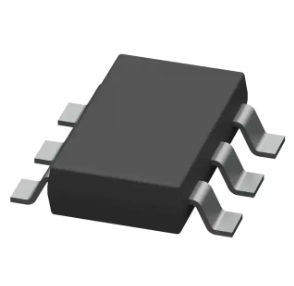
How Does a Capacitive Touch Controller IC Work?
Capacitive touch controller ICs work by detecting changes in capacitance when a conductive object, such as a finger, approaches a sensing surface.
A capacitive touch controller IC works by measuring changes in capacitance caused by touch and converting these variations into digital signals for system processing
The working process typically includes:
- Capacitive touch sensors detect changes in capacitance
- The touch controller IC processes and filters the signal
- A digital output is sent to the system
There are two main sensing methods used in capacitive touch sensor IC designs:
- Self-capacitance: Suitable for single-touch applications
- Mutual-capacitance: Enables multi-touch functionality
These technologies are widely implemented in commercial capacitive touch IC solutions such as touch controller IC platforms.
Types of Capacitive Touch Controller ICs
Different types of capacitive touch controller ICs are designed for various applications and performance requirements.
Self-Capacitance Touch Controller IC
This type of capacitive touch IC is commonly used in simple touch interfaces and offers a cost-effective solution for single-touch detection.
Mutual-Capacitance Touch Controller IC
Mutual-capacitance touch controller ICs support multi-touch functionality and are widely used in advanced touchscreens and consumer electronics.
Multi-Touch Controller IC
These touch controller ICs support multiple touch points and gesture recognition, making them suitable for complex applications such as industrial displays and smart interfaces.
Key Features of Capacitive Touch Controller ICs
- High sensitivity capacitive touch detection
- Support for multi-touch controller IC functionality
- Low power consumption touch IC designs
- Standard interfaces such as I2C and SPI
- High noise immunity for industrial touch systems
Applications of Capacitive Touch Controller ICs
Capacitive touch controller ICs are widely used across multiple industries due to their flexibility and performance.
Consumer Electronics
Capacitive touch ICs are widely used in smartphones, tablets, and wearable devices for responsive touch interfaces.
Industrial Control Systems
Touch controller ICs are used in industrial panels and automation systems where reliability and durability are critical.
Automotive Electronics
Capacitive touch sensor ICs are integrated into infotainment systems and dashboard controls.
Smart Home Devices
Touch controller chips enable intuitive interfaces in smart switches and IoT devices.
How to Choose the Right Capacitive Touch Controller IC
Choosing the right capacitive touch controller IC depends on application requirements and system design.
Key factors include:
- Type of capacitive touch IC required (single-touch or multi-touch)
- Number of sensing channels
- Power consumption of the touch controller chip
- Interface compatibility (I2C, SPI)
- Environmental requirements (industrial vs consumer)
Selecting the correct touch controller IC ensures stable performance and optimal system integration, aligning with principles of helpful and reliable content.
Popular Capacitive Touch Controller IC Models
Common capacitive touch controller IC models used in real applications include:
- FT5426 capacitive touch controller IC
- GT911 touch controller IC
- AT42QT series capacitive touch IC
These touch controller ICs are widely used due to their performance, availability, and compatibility with different systems.
Capacitive vs Resistive Touch Controllers
The main difference between capacitive touch controller ICs and resistive touch systems is that capacitive touch ICs detect touch through changes in an electric field, while resistive systems rely on physical pressure.
Capacitive touch IC solutions support multi-touch and offer higher sensitivity, while resistive touch technologies are more cost-effective and compatible with various input methods.
Where to Source Capacitive Touch Controller ICs
Reliable sourcing is essential for capacitive touch controller IC supply. Working with a professional integrated circuits distributor helps ensure authenticity, stable supply, and competitive pricing.
The risks of counterfeit electronic components are recognized by organizations such as ERAI,which emphasizes sourcing from verified suppliers. ShinYua provides sourcing services for capacitive touch controller ICs, including hard-to-find and obsolete touch controller chips.
Key Takeaways for Capacitive Touch IC Selection
Capacitive touch controller ICs are essential components in modern electronic systems, enabling responsive and reliable touch interfaces.
Understanding capacitive touch IC types, working principles, and application requirements helps engineers and buyers select the right touch controller IC for their systems. Choosing reliable suppliers further ensures long-term performance and supply chain stability.
Frequently Asked Questions (FAQ)
What is a capacitive touch controller IC?
A capacitive touch controller IC is a touch controller chip that detects touch input by measuring changes in capacitance and converting them into digital signals for electronic systems.
How does a capacitive touch IC work?
A capacitive touch IC works by sensing changes in capacitance when a finger approaches a surface and converting these signals into digital outputs.
What is a touch controller IC used for?
A touch controller IC is used in touchscreens, industrial control panels, automotive systems, and smart home devices.
What is the difference between capacitive touch IC and resistive touch?
Capacitive touch ICs detect electric field changes, while resistive touch relies on pressure. Capacitive systems support multi-touch and higher sensitivity.
How to choose a capacitive touch controller IC?
Consider touch type, power consumption, interface, and application environment when selecting a capacitive touch controller IC.
Related Information

- Help you to save your cost and time.

- Reliable package for your goods.

- Fast reliable delivery to save time.

- Quality premium after-sale service.


